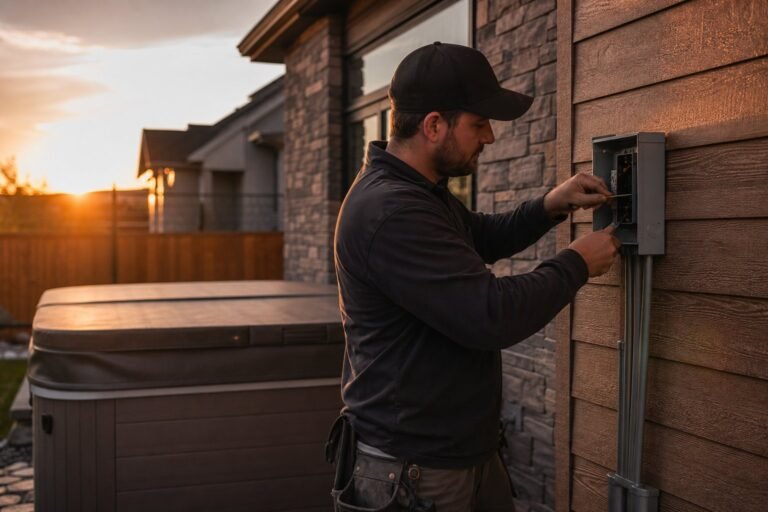
How Much Does Hot Tub Electrical Installation Cost?
Most 50-amp hot tub circuits land between $800 and $2,500 installed. What the price includes, what moves it, and when a plug-and-play tub makes the answer zero.
Read moreStraight answers on panels, EV chargers, generators, lighting, repairs, and wiring projects — written for Northern Utah homes by a licensed local electrician.
Most 50-amp hot tub circuits land between $800 and $2,500 installed. What the price includes, what moves it, and when a plug-and-play tub makes the answer zero.
Read more

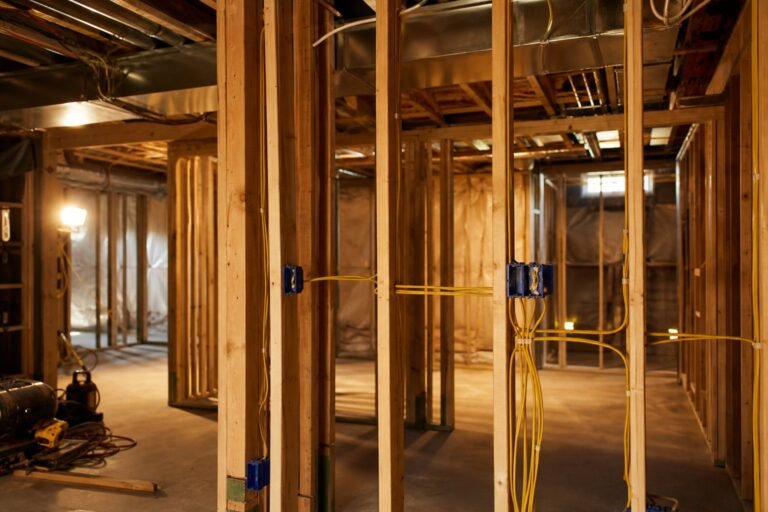
Permits, AFCI circuits, receptacle spacing, egress lighting, recessed fixtures under low joists, and the two-inspection sequence: the electrical side of finishing a Wasatch Front basement.
Read more
The dedicated 240V/50A GFCI circuit, the disconnect and its placement window, burial depth, and the bonding step almost everyone misses: what a hot tub really requires electrically.
Read more
Hot tub circuits, basement finishes, kitchen remodels, and new outlets all follow the same playbook: capacity, permit, rough-in, inspection, finish. Here is how each project actually runs in northern Utah.
Read more
Utah service calls, hourly rates, and flat quotes explained, with typical prices for common jobs and an honest look at when the cheap fix costs double later.
Read more
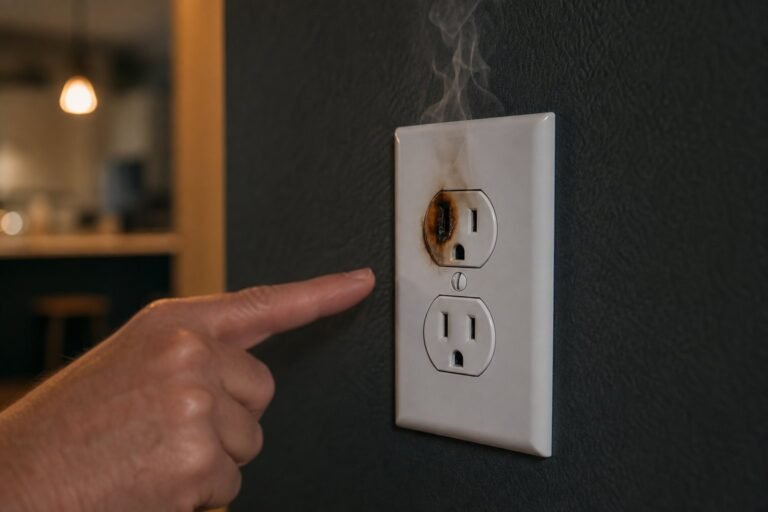
Yes: that fishy or hot-plastic smell is insulation overheating, the classic pre-fire warning. The breaker-off steps to take right now and what the repair actually involves.
Read more
Burning smells, sparking outlets, shocks, water, and downed lines: the exact first-five-minutes sequence for each, what never to do, and who to call between 911, the utility, and an electrician.
Read more
The seven causes of flickering or dimming lights, ranked from a loose bulb to a failing service connection, with a triage table that tells you which one your house has.
Read more
Dead outlets, flickering lights, warm plates, half the house out: a licensed Ogden electrician's diagnostic guide to what each symptom means, what you can safely check, and where DIY must stop.
Read more
LED flicker usually traces to an incompatible dimmer, a cheap bulb, or a loose connection. How to triage one fixture vs the whole house, and when to call an electrician.
Read more
Why fans need fan-rated boxes, how retrofit braces work without opening the ceiling, switch legs vs remotes, downrods for vaulted ceilings, and honest fixes for wobble.
Read more
Canless LEDs vs old cans, the ceiling-height spacing rule, kitchen vs living room layouts, IC ratings for Utah attics, and what installation really involves in finished ceilings.
Read more
Layered lighting design, LED conversion in older Wasatch homes, recessed layouts, smart dimmers, ceiling fans, outdoor lighting, permits, and honest cost ranges: the complete Utah homeowner's guide.
Read more
Size to your real outage loads, not the panel: essential wattages, starting vs running watts, whole-house sizing, and why an oversized generator costs you twice.
Read more
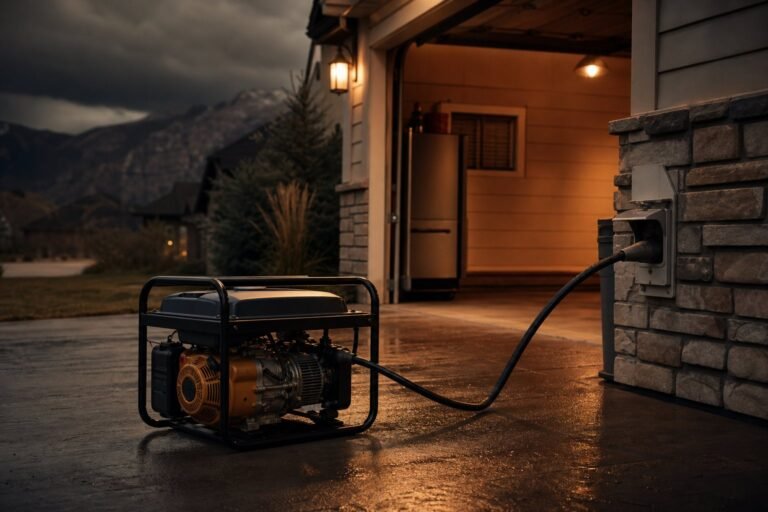
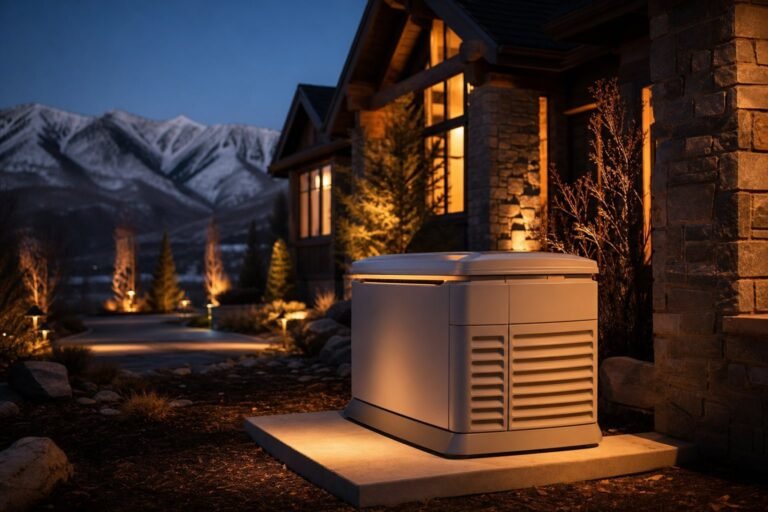
Honest tiers for Utah backup power: what a portable inlet setup and a whole-home standby each cost, what moves the number, and when the cheap tier genuinely covers your family.
Read more
What a transfer switch does, why backfeeding endangers line workers, automatic vs manual compared, and why an interlock kit is the budget-legal answer for many Utah panels.
Read more
An honest comparison of standby and portable generators for Utah homes, including the budget middle path most homeowners never hear about and who should skip the standby entirely.
Read more
Every decision in one place: standby vs portable, fuel, sizing, transfer switches, the backfeeding danger, permits, and what backup power really costs along the Wasatch Front.
Read more
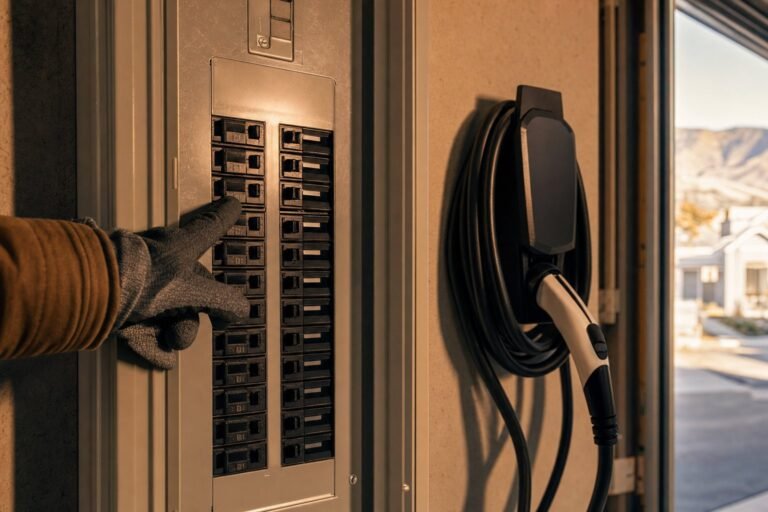
Spare capacity, not empty slots, decides it. The two-minute self-checks, what the electrician verifies, and the three outcomes a load calculation can return.
Read more
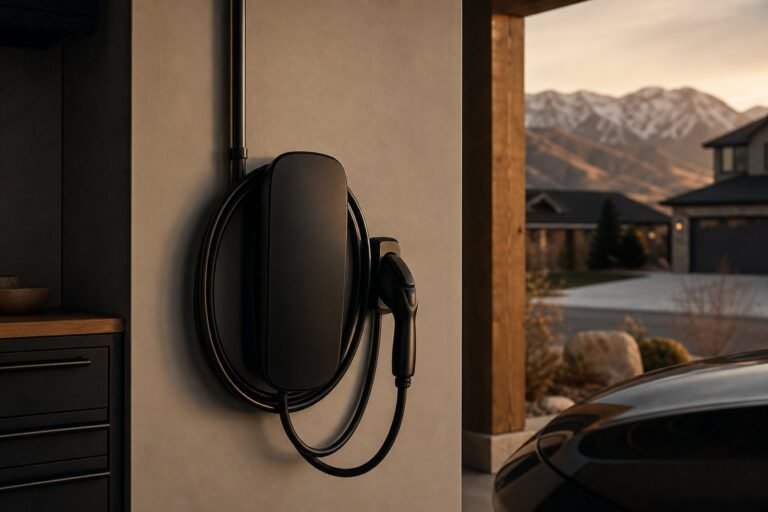
Typical Utah Level 2 install pricing, what a legitimate quote includes, what swings the number, and when the right budget is zero.
Read more
What an NEC load calculation actually is, why breaker slots mislead, the 125 percent rule for EV circuits, and your options when panel capacity runs tight.
Read more
The honest miles-per-hour math behind Level 1 and Level 2 EV charging, which amperage tiers need what, and the drivers who genuinely never need the upgrade.
Read more
Every decision in a Utah home EV charger install: Level 1 vs 2, hardwired vs plug-in, connectors, placement, panel capacity, winter charging, cost, and the permit flow.
Read more
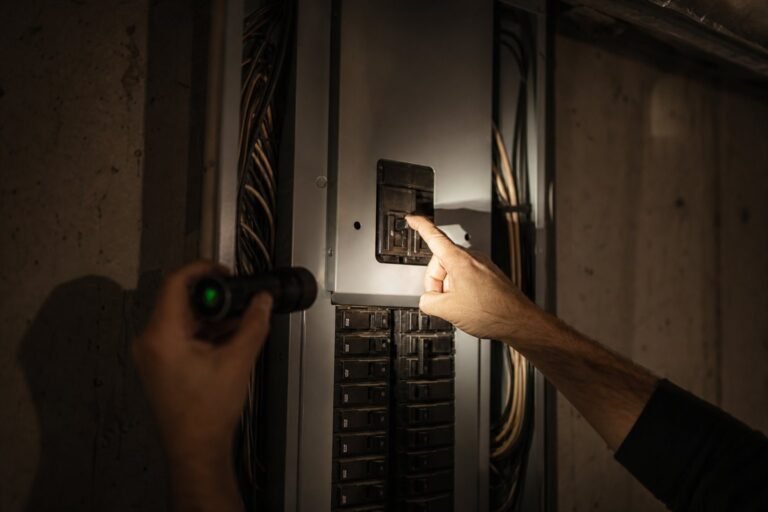
Breakers trip for three reasons: overload, short circuit, or ground fault. How to tell which you have, the safe homeowner steps, and when it means the panel itself.
Read more
Yes: panel replacement is permitted, inspected work everywhere in Utah. Who pulls the permit, how utility disconnects work, and why skipping it costs more at resale.
Read more
A typical Utah 100-to-200-amp panel upgrade runs $1,500 to $3,000. What that price includes, what pushes it higher, and when a subpanel is the cheaper right answer.
Read more
Nine concrete signs your panel is overloaded or obsolete, sorted by urgency: which two mean call today, which seven mean start planning, and what an evaluation involves.
Read more
Zinsco and Federal Pacific Stab-Lok panels carry a documented history of breakers that fail to trip. How to identify one, why insurers flag them, and what replacement involves.
Read more
Every step of a Utah panel upgrade in one guide: how to tell yours is full, 100A vs 200A, hazardous brands, real costs, permits, Rocky Mountain Power coordination, and install day.
Read more
What 100-amp and 200-amp service really mean for a Utah home: how to check yours, what modern loads demand, honest upgrade signs, and when smaller is still fine.
Read moreCall for a straight quote, or send a few details and we’ll get back to you the same day.