
EV Charger Installation in Ogden, UT
Level 2 home charging on a dedicated 240V circuit, sized against your panel with a real load calculation. Tesla, J1772, and NACS ready, permitted and inspected, across Weber, Davis, Morgan, Box Elder, and Cache counties.
- Licensed & Insured
- All Connector Types
- Load Calc First
What does EV charger installation involve?
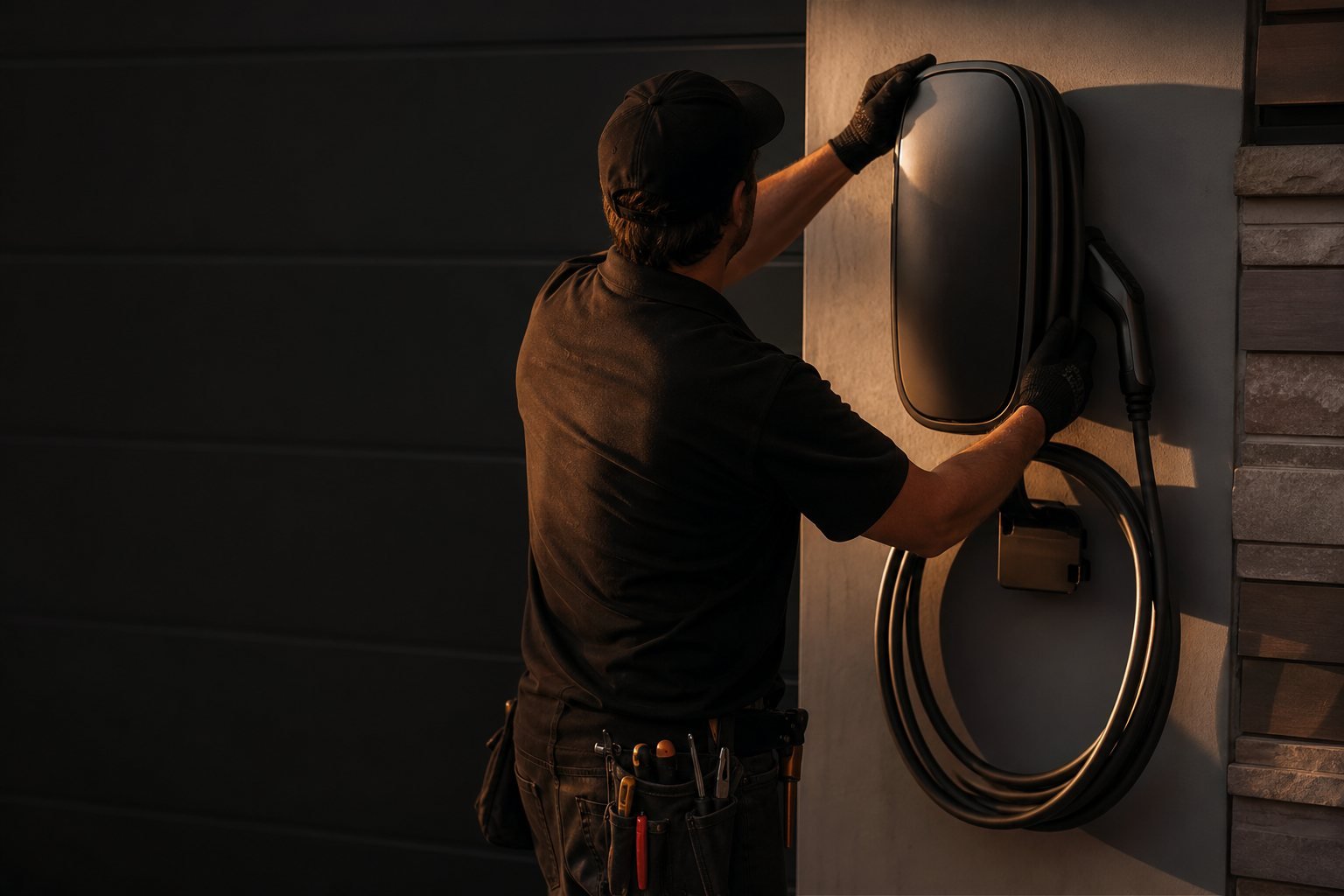
Installing a home EV charger means running a dedicated 240-volt circuit from your electrical panel to a Level 2 charging station mounted where you actually park. Done right, it starts with a load calculation to confirm your panel can carry the new demand, includes a permit and inspection, and ends with charging that adds roughly 20 to 40 miles of range per hour instead of the trickle a wall outlet provides. Copperview Electric handles the assessment, the circuit, the mounting, and the paperwork for homes across the Ogden area.
Is your home ready for an EV charger?
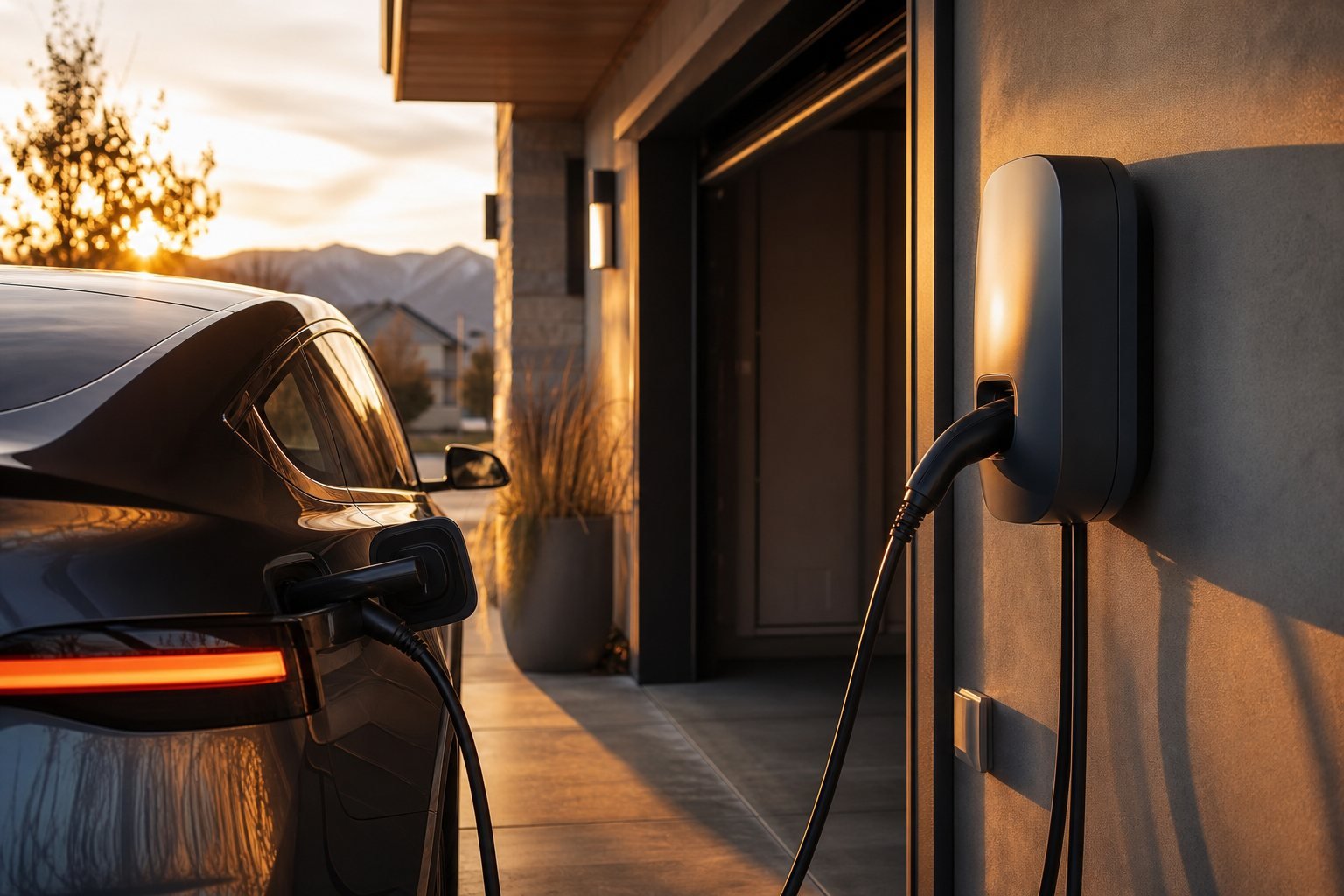
Most Ogden homes can support Level 2 charging, but the answer depends on your panel’s spare capacity, where you park, and what else your home runs. Here is what we look at before recommending a setup:
What’s included in a Copperview EV charger install
A safe charging setup is a system, not just a box on the wall. Every installation includes:
- Load calculation against your panel’s real capacity
- A dedicated 240V circuit run from panel to charger
- Breaker sized to your charger and wire gauge
- Charger mounting at the height and spot that fits your parking
- Hardwired or plug-in configuration, per manufacturer specs
- City permit and final inspection
- Commissioning and a test charge before we leave
- A walkthrough of the charger’s app and settings
How our EV charger installation works
Tell us your car & parking
Make, model, and where you park. That decides the connector, the mounting spot, and the circuit run.
Load calc & quote
We check your panel’s spare capacity and give you one itemized number, including the permit.
Permit
We file with your city so the circuit is legal, insurable, and inspection-ready.
Install day
Circuit, breaker, mounting, and connection, typically completed in a single visit.
Test & walkthrough
We commission the charger, run a test charge, and show you the settings that matter.
Level 1 vs Level 2: is the upgrade worth it?
Every EV can trickle-charge from a standard wall outlet, and for very short commutes that can be enough. For everyone else, the difference between Level 1 and a dedicated Level 2 circuit is the difference between planning your life around charging and never thinking about it.
| Level 1 (wall outlet) | Level 2 (dedicated 240V) | |
|---|---|---|
| Charging speed | Roughly 3 to 5 miles of range per hour | Roughly 20 to 40 miles of range per hour |
| Overnight result | A partial top-up for short commutes | A full battery, essentially every morning |
| Circuit | Shares a 120V household circuit | Its own dedicated, load-checked 240V circuit |
| Winter charging | Slows further in cold Utah temperatures | Headroom to precondition and still charge fully |
| Safety | Household outlets aren’t made for daily max draw | Purpose-built, permitted, and inspected |

Tesla, J1772, or NACS: which charger should you get?
North America is converging on the NACS connector, the plug Tesla popularized, and most major automakers have announced the switch. J1772 remains the connector on most non-Tesla EVs on the road today, and adapters bridge the two in both directions.
Practically, that means the charger you pick should match the car in your driveway now without boxing you in later. We install Tesla Wall Connectors, universal J1772 units, and NACS-native chargers, and we’re glad to recommend hardware once we know your vehicle and budget. The circuit we run works with any of them, so switching cars later doesn’t mean rewiring.
How much does EV charger installation cost in Ogden?
Across Utah, a complete Level 2 installation most commonly lands between $1,200 and $3,200, including hardware, though a short simple run next to the panel can come in lower and a long run or a panel upgrade adds to it. We quote from your actual panel and parking spot, so the number you get is yours, not an average.
What moves the number
One itemized quote before work starts, permit and inspection included. If your panel needs an upgrade, we price both together so you see the whole picture.
Wired to code, not to chance
An EV charger pulls more sustained load than almost anything else in your home, which is exactly why Utah requires this work to be permitted and inspected. Copperview Electric is a licensed and insured electrical contractor: we run load calculations before quoting, follow the National Electrical Code as adopted in Utah, and every charging circuit we install gets a city inspection.
EV charger installation across Northern Utah
From Ogden to the Davis County commuter corridor, we install home charging where the EVs actually live: garages, carports, and driveways from Brigham City to Bountiful.
EV charging questions, answered
How long does an EV charger installation take?
Most installations are completed in a single visit once the permit is in hand. A straightforward garage install next to the panel goes fastest; long conduit runs or a same-day panel upgrade extend the window, and we tell you the plan before we start.
Do I need a permit to install an EV charger in Utah?
Yes. A new 240V circuit requires a permit and inspection in most Ogden-area cities, and skipping it can create problems with insurance and resale. We pull the permit and schedule the inspection as part of every install.
Can my panel handle an EV charger?
That’s what the load calculation answers, and it’s the first thing we do. Many Ogden homes have the spare capacity; some need a panel upgrade or a load-management device. Either way you’ll know before any work starts, with a price for each path.
Should the charger be hardwired or plug-in?
Both are legitimate. Hardwired units support higher amperage and sit cleaner on the wall; plug-in units on a 14-50 outlet are easier to swap or take with you. We’ll recommend one based on your charger, your amperage, and manufacturer requirements.
What amperage should my home charger be?
Enough to refill your daily driving overnight, with headroom. A 40 to 48 amp circuit suits most drivers, but the right answer depends on your vehicle’s onboard charger and your panel’s capacity, which is exactly what we size for.
Can you install a charger I already bought?
Yes. Bring us the unit, and we’ll confirm it suits your car and panel, then install it to the manufacturer’s spec with the permit and inspection included. If it’s the wrong unit for your setup, we’ll say so before opening the box.
Does a home EV charger work in an unheated Utah garage?
Yes. Quality Level 2 units are rated for cold, and many are rated for outdoor mounting too. Cold slows charging chemistry inside the battery, which is one more argument for Level 2: even a winter-slowed session finishes overnight.
Read up before you spend a dollar
Home EV Charger Installation in Utah
Hardwired vs plug-in, connector types, winter charging, breaker sizing, and permits.
Read the guide ExplainerLevel 1 vs Level 2: Real Charge-Time Math
Miles per hour of charge at each level, and who Level 1 genuinely suits.
Read the guide Quick answerCan Your Panel Handle an EV Charger?
Why empty slots don’t answer it, and the three outcomes of a real load calc.
Read the guideWork that pairs with home charging
Panel & Meter Upgrades
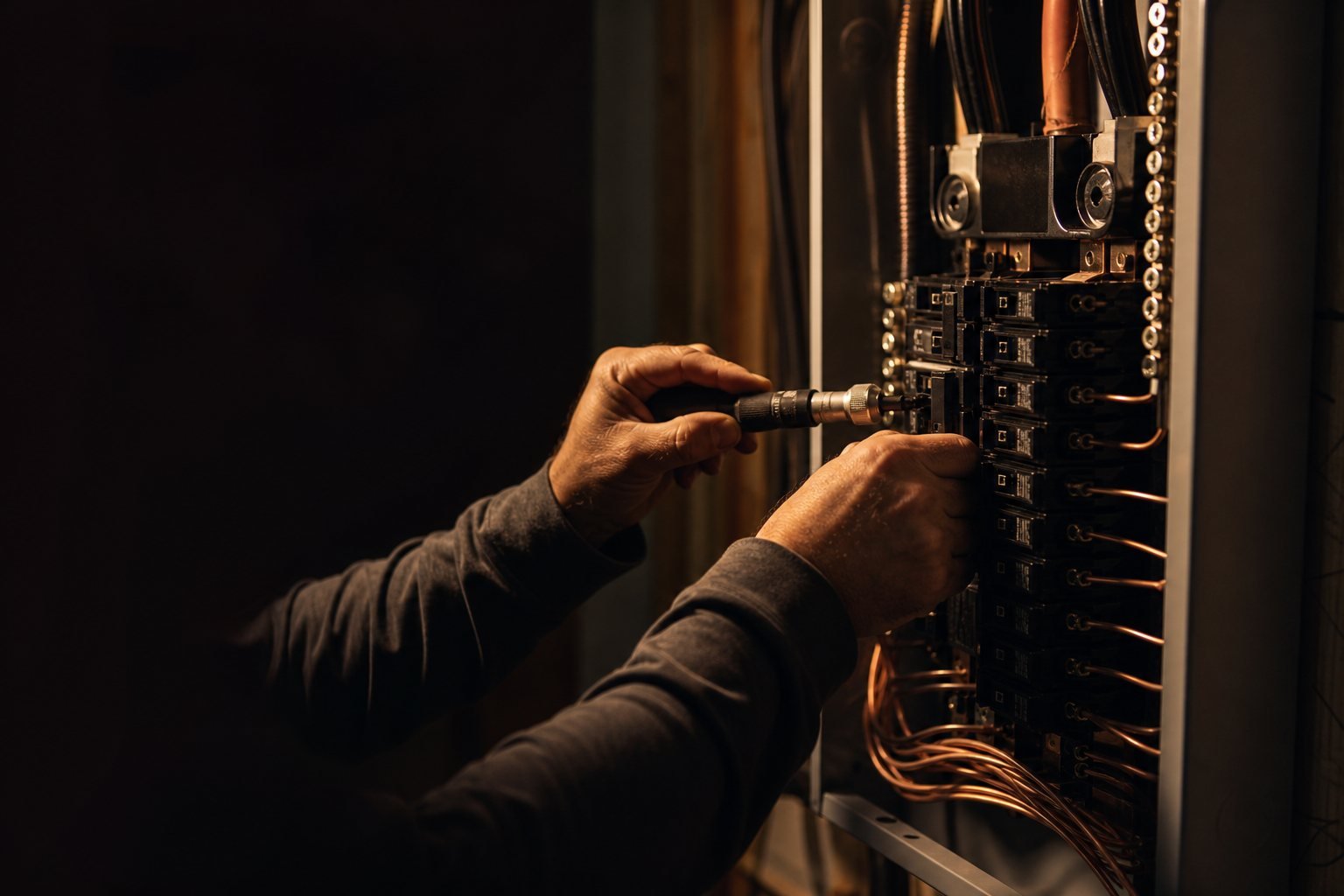
If the load calc says you’re full, we upgrade capacity and install the charger in one project.
Learn more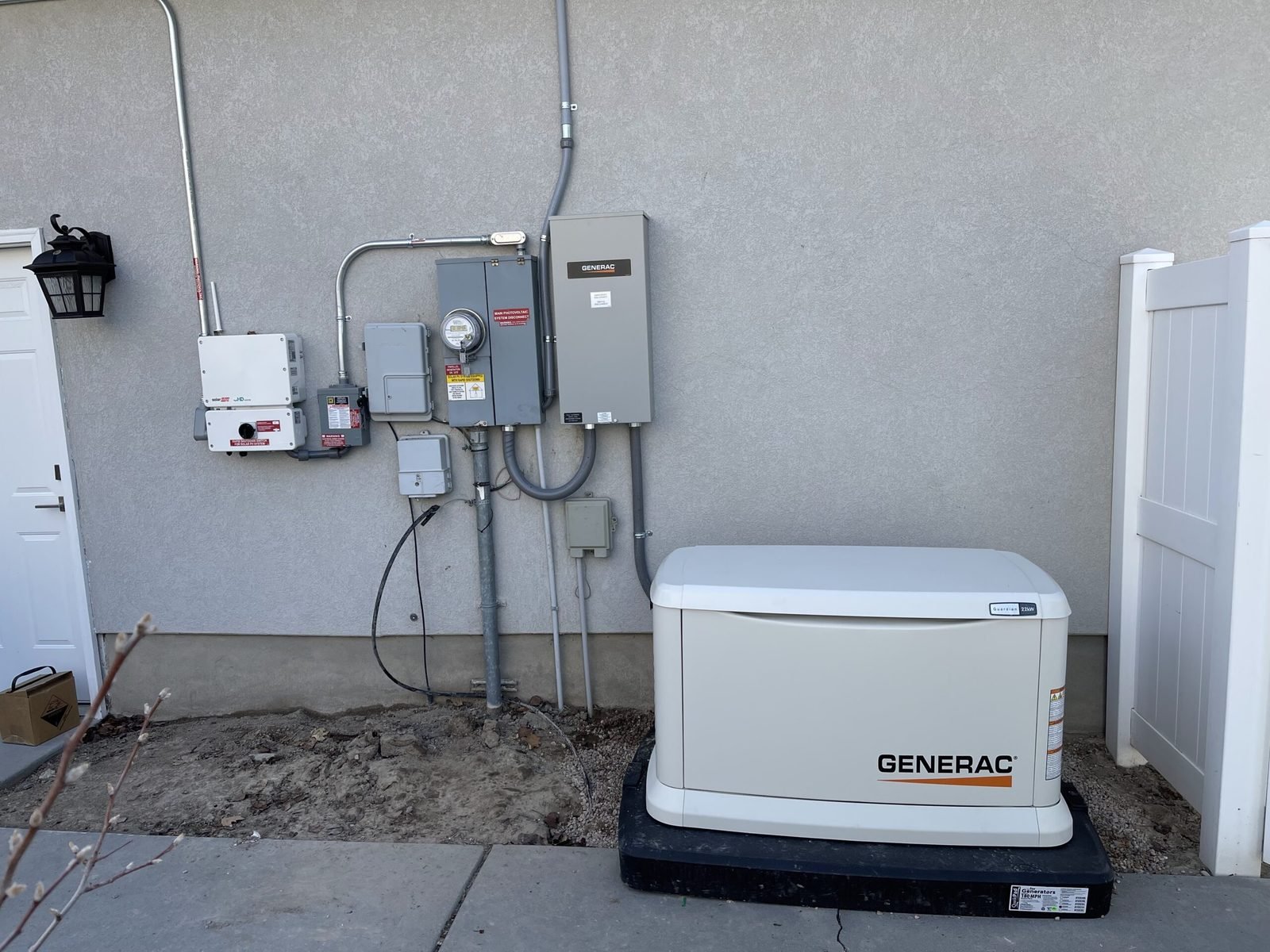
Generators & Backup Power
Keep the essentials running when the grid doesn’t.
Learn more
Outlets & Switches
Garage receptacles, GFCI protection, and shop circuits.
Learn more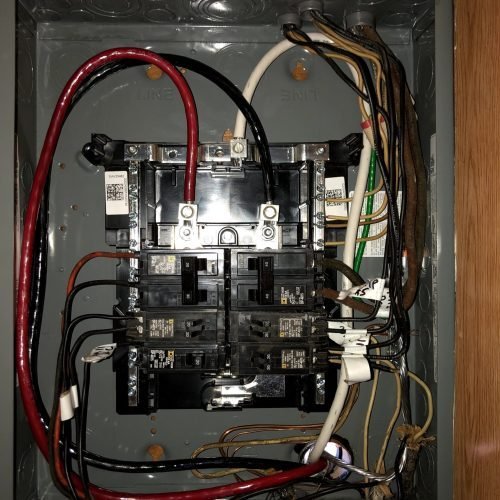
Electrical Inspections
A straight read on your panel before you commit to hardware.
Learn more