
Do I Need a Permit to Replace an Electrical Panel in Utah?
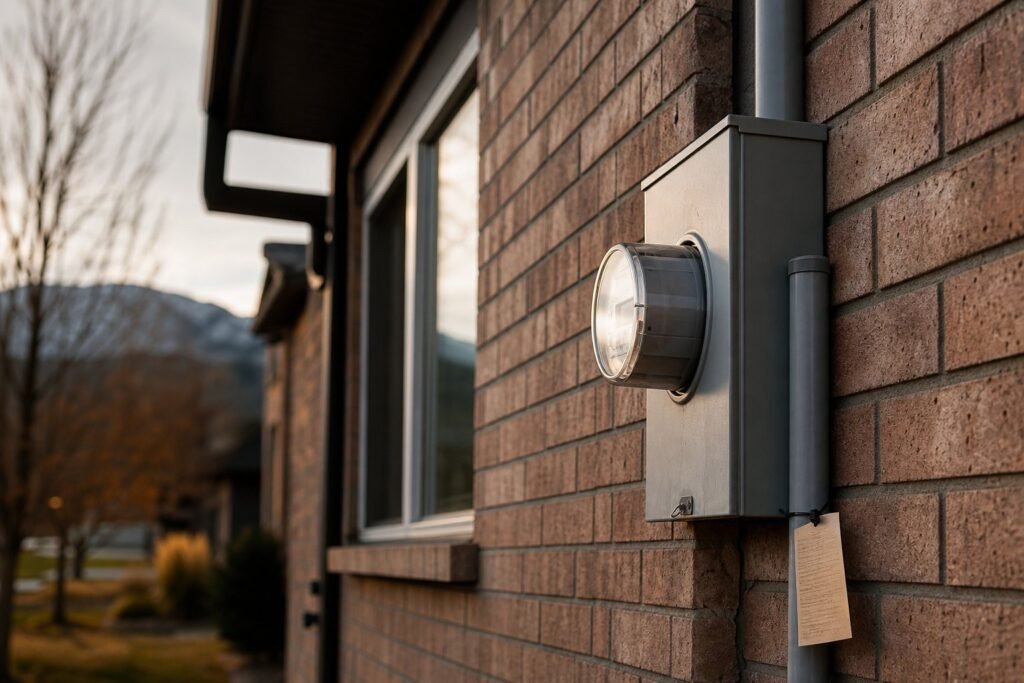
Yes. Replacing an electrical panel or upgrading service requires a permit and inspection in every Utah jurisdiction, because it’s service-equipment work under the adopted electrical code. Your licensed contractor should pull the permit, the city inspects the finished work, and the closed permit becomes the document your insurer and any future buyer will ask to see.
In this guide
Why does Utah require a permit for this?
Utah adopts statewide construction codes, including the National Electrical Code with state amendments, and cities enforce them through their building departments. Service equipment sits at the top of that enforcement list because it’s where utility power enters the house: mistakes there don’t stay contained to one outlet, they propagate to every circuit downstream.
The permit isn’t bureaucratic decoration. It creates a record that licensed work happened, and it buys you an independent inspection by someone whose only stake is whether the installation meets code. For a homeowner, that’s a second set of qualified eyes on the most consequential electrical work the house will ever get, included in the permit fee.
Who should pull the permit?
Your contractor, nearly always. The name on the permit is the party answerable for the work, so a licensed electrician pulling it under their license and insurance is exactly the accountability you’re paying for. At Copperview, permit handling is part of the job, not an add-on you chase down yourself.
Some Utah cities do allow owner-occupants to pull homeowner permits for electrical work on their own residence. Even where that’s legal, a service change is a poor candidate: parts of the equipment remain energized from the utility side regardless of the main breaker, and the disconnect has to be scheduled with the power company either way. The legal path existing doesn’t make it the wise one.
A contractor who asks you to skip the permit is telling you whose name they don’t want on the work.
What happens if the work was done without one?
Unpermitted panel work has a habit of staying invisible right up until money is on the table. The common collision points:
- Resale. Buyers’ inspectors spot new panels with no permit on file, and the finding converts into repair credits, re-inspection demands, or a spooked buyer at the exact moment you have the least leverage.
- Insurance claims. After an electrical fire, adjusters investigate the installation history. Unpermitted service work gives a carrier grounds to contest the claim.
- Legalizing later. Retroactive permits typically mean opening walls and equipment for inspection of finished work, which costs more than permitting it correctly the first time.
If you’ve bought a home and suspect the shiny panel has no paperwork, an evaluation can verify the installation quality and, where needed, get it inspected and documented properly. Our panel and meter upgrade service handles that cleanup path more often than you’d think.
How do Rocky Mountain Power and city utilities fit in?
A panel replacement can’t be done safely on energized service equipment, so the job is built around a utility disconnect. Across most of the Wasatch Front that means Rocky Mountain Power schedules a crew to drop and restore your service on install day, coordinated by your contractor. A few cities run their own municipal power departments, Bountiful and Kaysville among them, with their own scheduling and requirements.
This coordination is a second, independent reason DIY service swaps go wrong: the utility generally won’t schedule a disconnect for unpermitted work, and cutting a meter seal yourself is both dangerous and prohibited. Permit, utility, and inspection form one linked system, and legitimate jobs move through all three.
| Power provider | Where it applies | What that means for your project |
|---|---|---|
| Rocky Mountain Power | Most of Weber, Davis, Morgan, Box Elder, and Cache counties | Contractor books the disconnect and reconnect window; lead times commonly run one to two weeks |
| Municipal power departments | Bountiful, Kaysville, and a few other Utah cities | City-run scheduling and requirements; procedures and lead times are set locally |
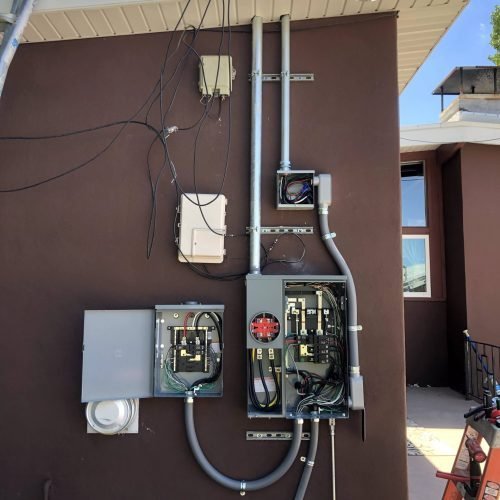
What does the inspector actually check?
The final inspection is a walkthrough of the things that matter most and show least:
- Proper grounding and bonding, including the grounding electrode system older homes frequently lack.
- Correct wire sizing and terminations at the new breakers, with no double-taps on breakers not listed for them.
- AFCI and GFCI protection on the circuits current code requires.
- Working clearances around the panel and a legible, accurate circuit directory.
- Service equipment ratings that match end to end: meter base, feeders, main breaker, panel.
Pass, and the permit closes with a record on file at the city. That closed permit is the artifact this whole post is about: proof, transferable to future owners and insurers, that the work was done right. The complete panel upgrade guide shows where inspection sits in the full project timeline, and our guide to the signs you need a panel upgrade helps you decide whether this project belongs on your calendar at all.
Honest exception worth knowing: like-for-like minor repairs, say, replacing a single failed breaker with an identical listed one, are commonly treated as maintenance rather than permit work. The line sits at service equipment and new circuits; when in doubt, one call to the city or to us settles it for free.
Quick answers
How much does the permit itself cost?
City electrical permit fees are modest relative to the project, commonly tens of dollars into the low hundreds depending on jurisdiction and valuation. On our jobs it’s built into the written quote, so it’s never a surprise or a decision point.
Does a permit slow the project down much?
Usually days, not weeks. Most Wasatch Front cities process routine electrical permits quickly, and the utility disconnect window is typically the longer lead item anyway. Contractors who do this weekly know each city’s rhythm and schedule around it.
I’m just swapping breakers, do I need a permit for that?
Replacing a failed breaker like-for-like is generally maintenance. Adding circuits, changing the panel, upsizing service, or altering the meter base crosses into permit territory everywhere. If the project involves the utility disconnecting anything, assume a permit is part of it.
Can work done years ago without a permit be fixed on paper?
Often, yes. The path is an evaluation of the existing installation, correction of anything below code, and an inspection under a new permit. It’s cheapest to do on your schedule rather than during a pending sale with a deadline attached.
Planning a panel replacement and want the permit, utility window, and inspection handled as part of the job? That’s how we quote every one.
Bountiful’s municipal power system gives panel projects there their own coordination quirks, and we’ve worked plenty of them. Our Bountiful electrician page has the local details.