
Electrical Repairs & Troubleshooting in Ogden, UT
Flickering lights, dead outlets, and breakers that won’t hold. We trace the actual fault instead of guessing at symptoms, then fix it right, across Weber, Davis, Morgan, Box Elder, and Cache counties.
- Licensed & Insured
- Diagnose First
- Same-Day Available
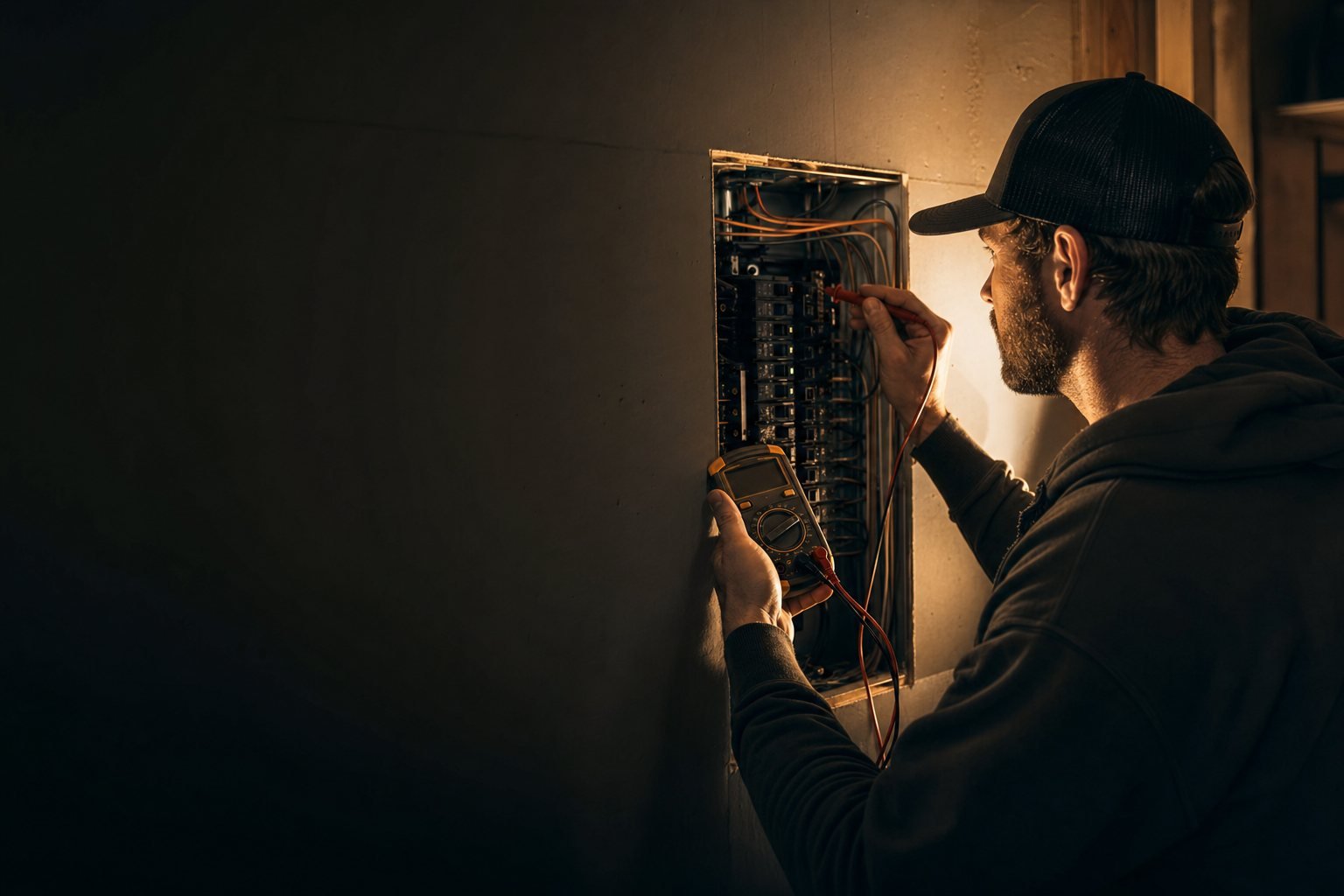
What is electrical troubleshooting?
Electrical troubleshooting is systematic fault-finding: using meters, circuit knowledge, and process of elimination to locate the actual cause of a problem, whether that’s a loose neutral behind a dead outlet, a failing breaker, or an overloaded circuit hiding behind a flicker. It’s the opposite of parts-swapping until something works. Copperview Electric diagnoses first, explains what we found in plain language, then repairs the real fault, for homes across Ogden and the Wasatch Front north corridor.
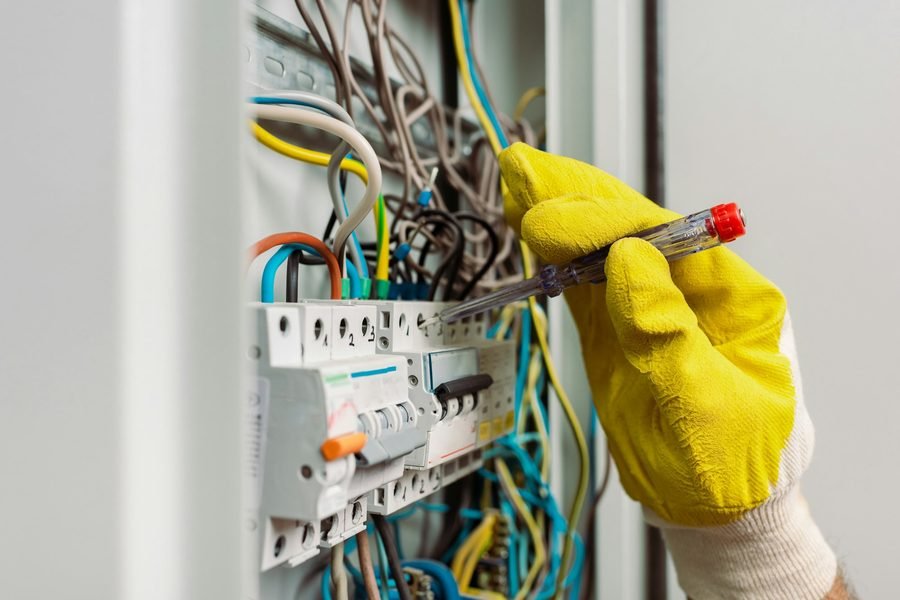
What electrical problems do we fix?
If it behaves strangely, trips, buzzes, or simply went dead, it’s on this list. These are the calls Ogden homeowners bring us most, and each one has a findable cause:
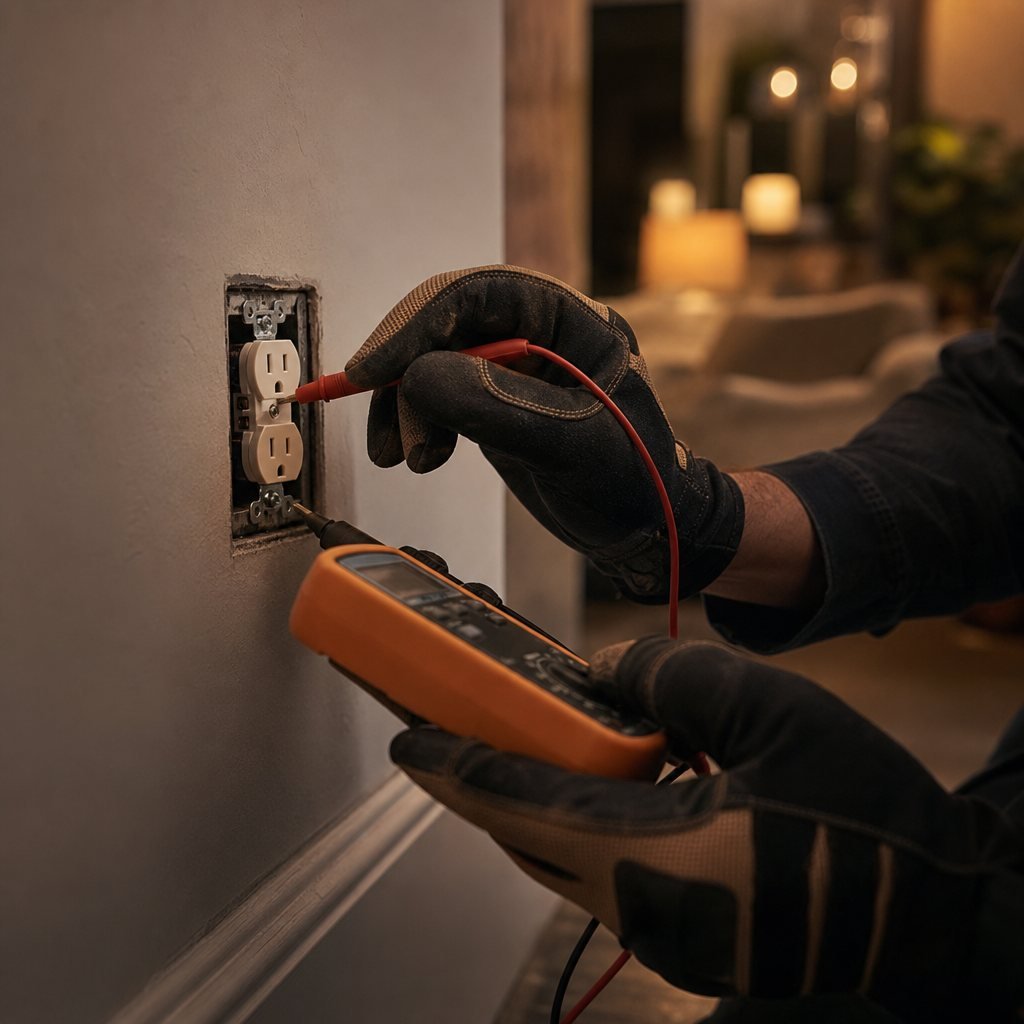
What’s included in a repair visit
You’re paying for a fix, not a guess. Every troubleshooting call includes:
- A conversation about what you’ve observed, and when
- Systematic testing with meters, not parts-swapping
- A plain-language explanation of the actual fault
- A straight quote for the repair before work starts
- The repair itself, done to current code
- Testing of the affected circuit end to end
- A check for related weak points while we’re in there
- A tidy workspace when we leave
How our troubleshooting process works
Describe the symptom
When it happens, what else is running, how long it’s been going on. History narrows the search fast.
Reproduce & measure
We test at the panel, the device, and points between, following the numbers instead of hunches.
Find the fault
Loose lug, failed splice, overloaded circuit, tired breaker. We show you what we found.
Quote & repair
One clear number, then the fix, done to code with quality parts.
Verify
We retest the circuit under load so the problem is actually gone, not resting.
DIY parts-swapping vs professional diagnosis
Plenty of homeowners can swap an outlet, and hardware stores are happy to sell the parts. The trouble is that most electrical symptoms are caused somewhere other than where they appear, which is why the swap so often doesn’t stick.
| Swapping parts | Diagnosing the fault | |
|---|---|---|
| Dead outlet | New outlet, same dead circuit | Finds the loose connection upstream feeding it |
| Tripping breaker | A bigger breaker, and a fire risk | Finds the overload or fault the breaker is catching |
| Flickering light | New fixture, same flicker | Finds the failing neutral or connection causing it |
| Cost over time | Parts, repeat visits, and the original problem | One visit, one fix, verified under load |
| Safety | Unknown faults stay live in the walls | The actual hazard is found and removed |

Aluminum wiring in Ogden homes: what to know
Many homes built in the late 1960s and 1970s, including plenty in Weber and Davis counties, were wired with aluminum branch circuits. Aluminum expands and contracts more than copper, which loosens connections over time, and loose connections are where heat and arcing start.
Aluminum wiring doesn’t automatically mean rewiring your house. Recognized repair methods exist, from approved connectors at every device to targeted replacement of problem runs, and the right answer depends on what an inspection actually finds. If your home is from that era and you’re seeing warm plates, flicker, or an occasional burnt smell at outlets, have it looked at promptly. We’ll tell you what’s really needed and what can wait.
How much do electrical repairs cost in Ogden?
Across Utah, a typical residential service call runs about $75 to $150 for the visit, with straightforward fixes like an outlet or switch replacement often landing around $100 to $200 all-in, and hourly rates for licensed electricians generally in the $85 to $150 range. Bigger faults get a straight quote once we’ve diagnosed them, before any repair starts.
What moves the number
You get the diagnosis and the price before the repair. No mystery line items, no work you didn’t approve.
Repairs that hold, by a licensed electrician
Anyone can make a symptom disappear for a week. Making the fault actually gone takes testing, code knowledge, and the discipline to fix causes instead of appearances. Copperview Electric is a licensed and insured Utah electrical contractor; our repairs meet the National Electrical Code as adopted in Utah, and we stand behind the work we do in your home.
Electrical repairs across Northern Utah
Old bungalow or new build, we troubleshoot and repair across the Wasatch Front north corridor, with same-day help available for urgent faults in much of Weber and Davis counties.
Repair questions, answered
Why does my breaker keep tripping?
A breaker trips because something on that circuit exceeded its rating: too much load at once, a short circuit, or a ground fault. Repeated trips are the circuit telling you a real story. The fix is finding which of those three it is, never installing a bigger breaker to silence it.
Why is an outlet dead when the breaker isn’t tripped?
Most often a connection failed upstream: a loose backstab in another outlet on the same run, a failed splice, or a tripped GFCI you haven’t found, often in a garage or bathroom. We trace the circuit until the break shows itself.
Are flickering lights dangerous?
They can be. A flicker that follows a large appliance kicking on may be a capacity issue; a random flicker on one circuit often points to a loose or failing connection, which is a heat source in the making. Either way it’s worth diagnosing rather than living with.
Do you offer same-day electrical repairs?
Yes, for many urgent problems in much of Weber and Davis counties, depending on the day’s schedule. If something is sparking, smells hot, or left you without power, call 801-603-2094 and we’ll prioritize it as an emergency.
My home still has two-prong outlets. Is that a problem?
Two-prong outlets mean no grounding conductor at that location, which limits surge protection and safety for modern electronics. Fixes range from GFCI protection to running new grounded circuits. We’ll lay out the options honestly once we see what your wiring allows.
Can you find a fault inside a finished wall without tearing it open?
Usually, yes. Circuit tracing and testing lets us isolate a fault to a small section before anything is opened, so if drywall does have to come off, it’s a small, targeted patch rather than exploratory surgery.
Is it worth repairing old wiring, or should I rewire?
It depends on what the wiring is and what condition it’s in. Plenty of older copper circuits are fine with targeted repairs; deteriorated insulation, chronic faults, or certain materials tip the scales toward replacement. We’ll give you a straight read after testing, not a sales pitch.
Read up before you spend a dollar
Diagnosing Home Electrical Problems
Dead outlets, warm plates, half-house outages: what each symptom means and what to do.
Read the guide ExplainerFlickering Lights: 7 Causes, Triaged
From a cheap bulb to a loose neutral, ordered from harmless to call-now.
Read the guide Quick answerWhat an Electrician Costs in Utah
Service calls, hourly rates, and flat quotes, with typical ranges for common jobs.
Read the guideWork that often follows a repair call
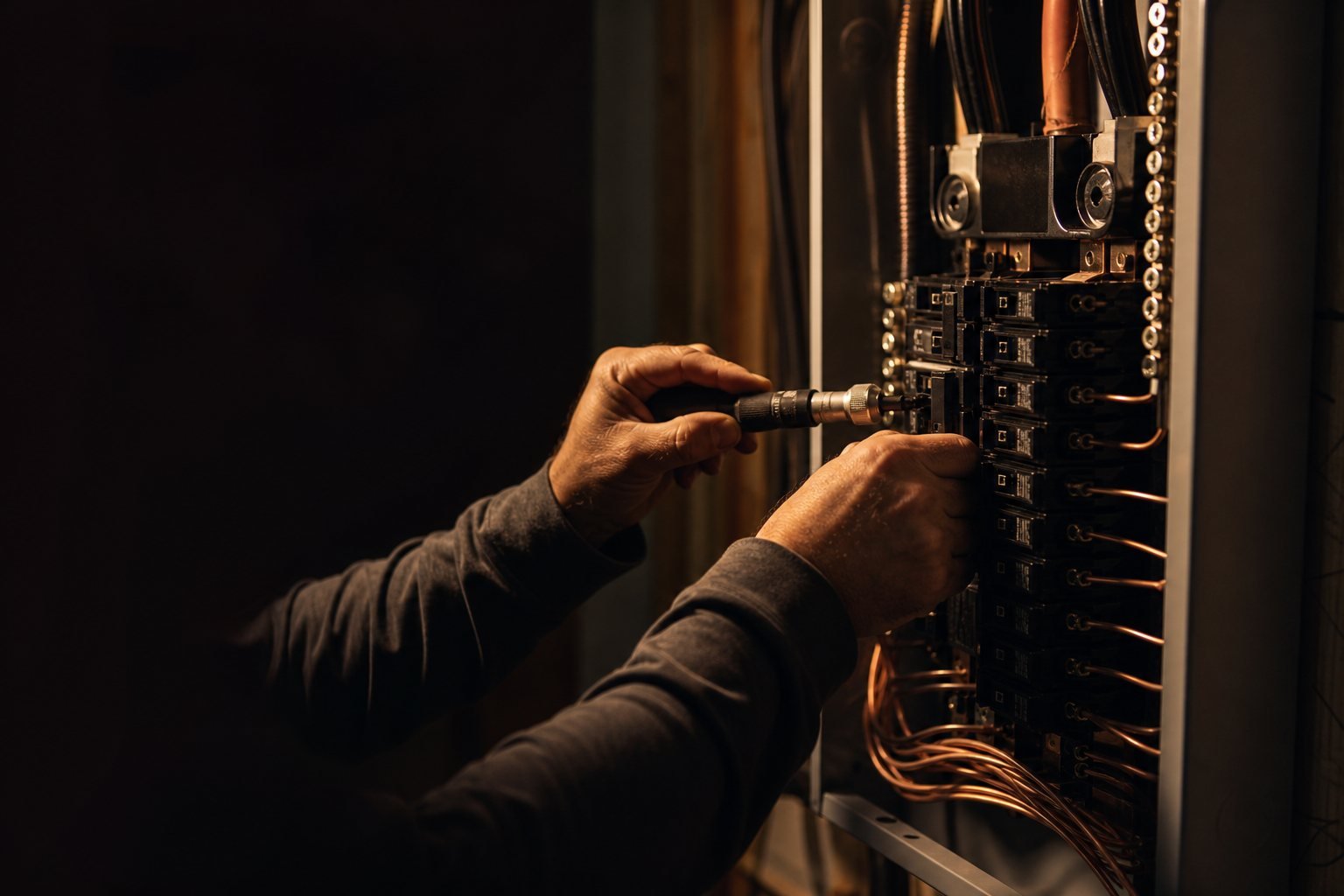
Panel & Meter Upgrades
When the fault trail leads back to a tired, undersized panel.
Learn more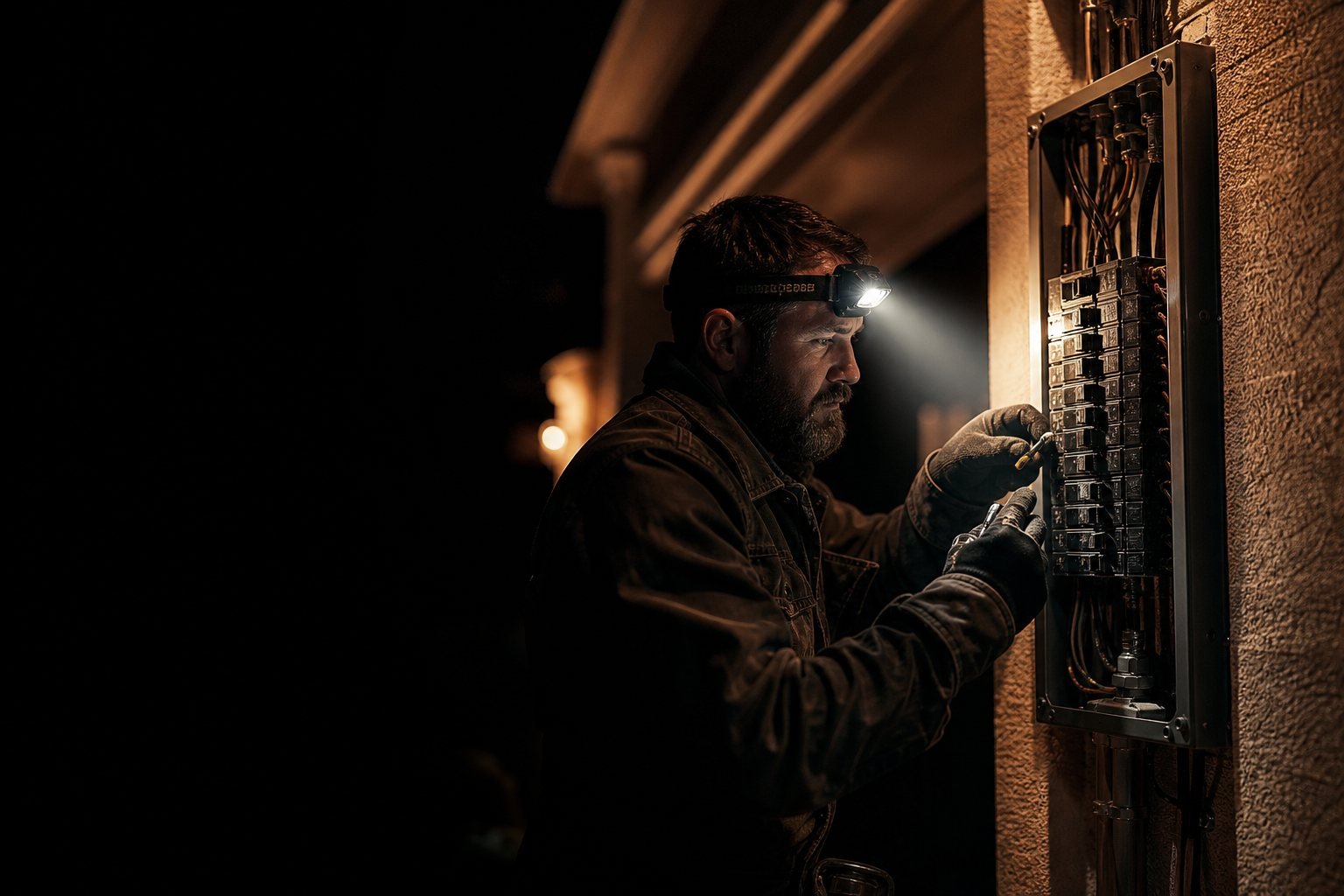
Emergency Electrician
Sparks, smoke, or no power? That’s a different phone call.
Learn more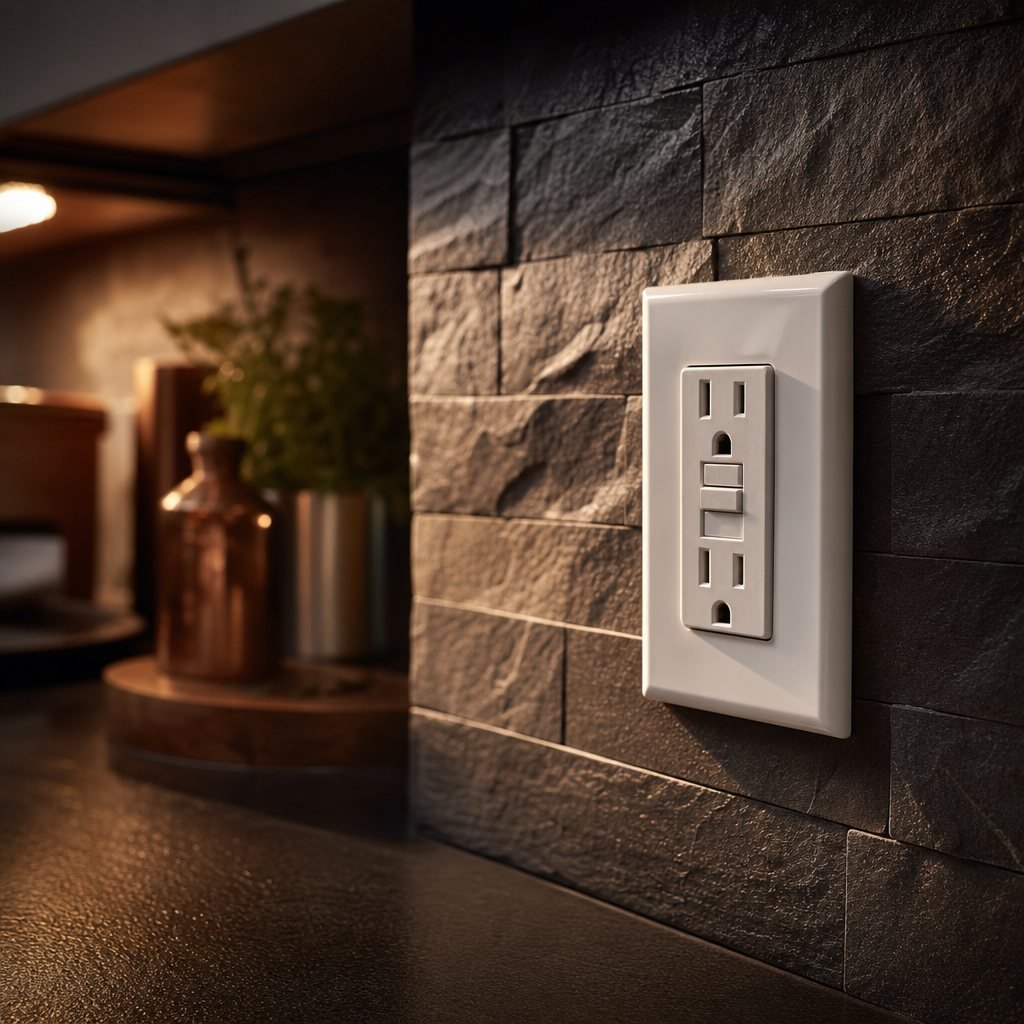
Outlets & Switches
Dead devices replaced and protection brought up to code.
Learn more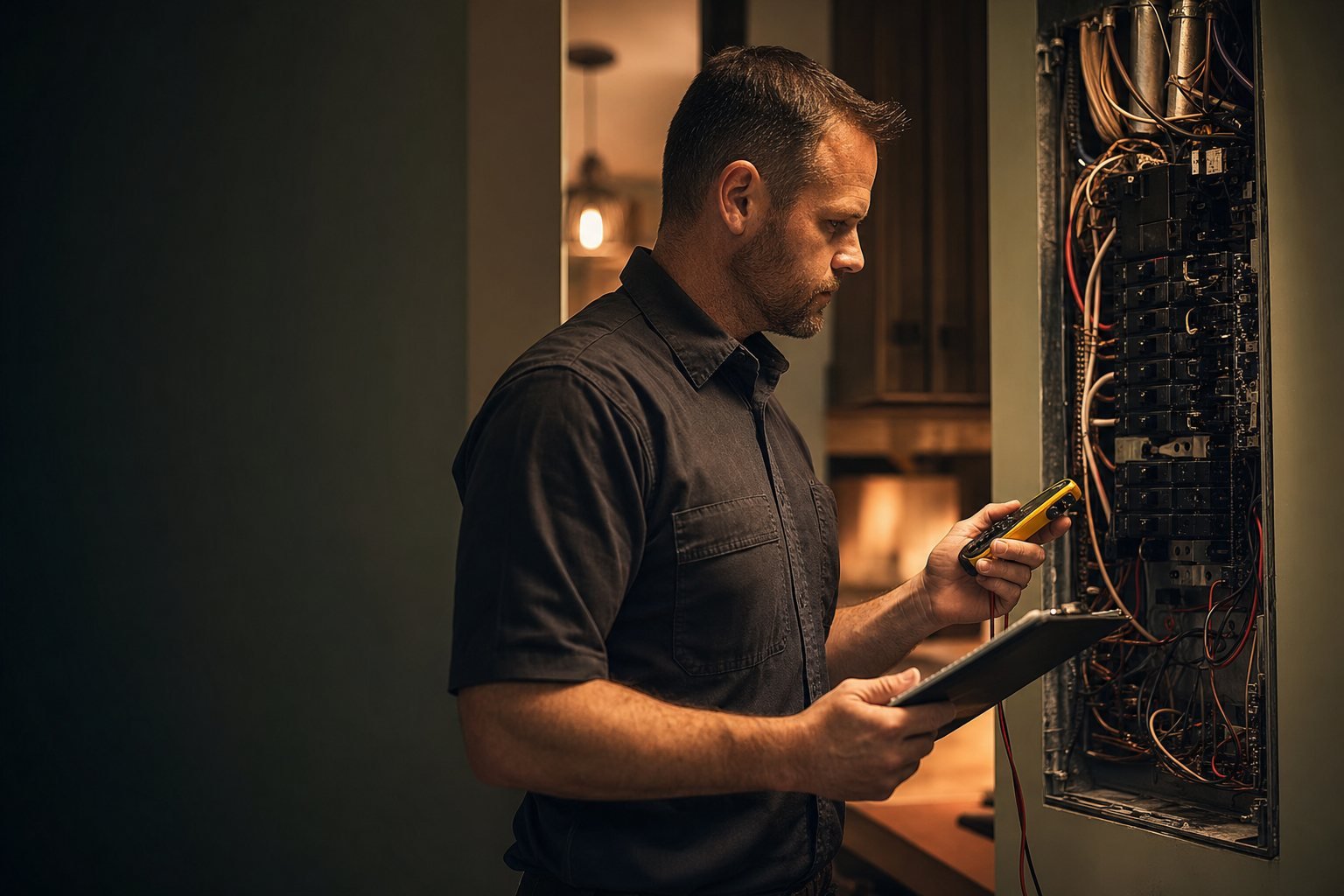
Electrical Inspections
A whole-system read when one fault makes you wonder about the rest.
Learn more